
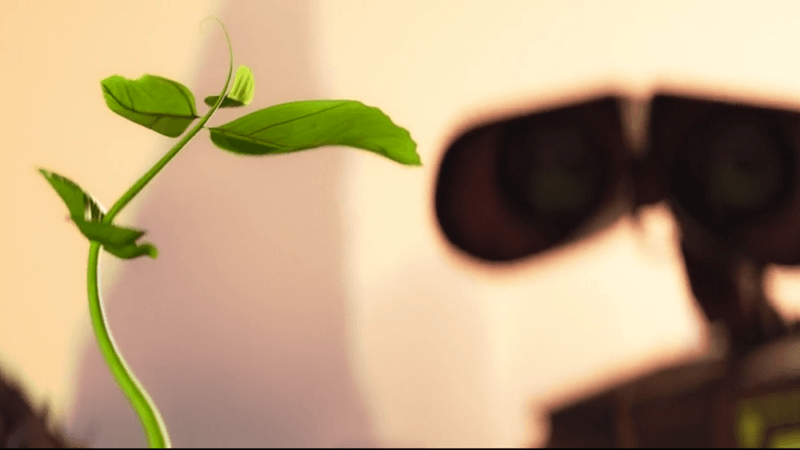
The cultural resource I have selected is the animated film Wall-E (2008), directed by Andrew Stanton. This Pixar film presents a dystopian vision of Earth in the distant future, abandoned by humanity due to extreme environmental degradation and overconsumption. The planet is covered in mountains of waste, and human civilization has relocated to a massive spaceship, the Axiom, where people live in a state of physical and intellectual stagnation. Wall-E serves as a reimagined alternative to our current environmental, social, and economic conditions, offering a cautionary tale about the consequences of consumerism and neglecting environmental responsibility.
Reimagining Environmental and Societal Conditions
Wall-E highlights a world where unchecked consumerism, corporate dominance, and environmental irresponsibility have rendered Earth uninhabitable. This reimagining is based on real-world concerns about pollution, climate change, and resource depletion. In today’s society, industries produce vast amounts of waste, and single-use plastics continue to damage ecosystems. The film envisions a future where these issues spiral out of control, leading to total planetary abandonment. Meanwhile, on the Axiom, humans have become completely reliant on technology, losing mobility, social awareness, and critical thinking skills due to excessive automation and convenience-driven living.
“I don’t want to survive! I want to live!” – Captain McCrea
This quote from the film’s captain reflects the realization that a life of convenience and automation is not truly living. It serves as a wake-up call, both in the movie and in reality, about the dangers of prioritizing comfort over sustainability.
Technological and Systemic Change
The imagined alternative in Wall-E would require major technological and systemic change to prevent or reverse the depicted dystopia. The film warns against overreliance on artificial intelligence, corporate monopolies, and the erosion of environmental stewardship. In reality, solutions such as sustainable development, circular economies, and stricter environmental regulations could prevent such a bleak future. Additionally, advancements in renewable energy, waste management, and responsible consumer habits could shift society away from the trajectory presented in the film.
“Out there is our home. Home, Auto! And it’s in trouble.” – Captain McCrea
This quote further emphasizes the need for humanity to take responsibility for Earth rather than seeking an escape. It reinforces the theme of reclaiming environmental stewardship and reversing damage.
Elements Reflected in Current Conditions
Although Wall-E is set in the distant future, many of its elements are already reflected in today’s world. Climate change, rising global temperatures, and pollution levels are pressing concerns. The accumulation of space junk and the monopolization of industries by large corporations mirror aspects of the film’s dystopian setting. Furthermore, the increasing use of automation and AI in daily life raises concerns about human dependency on technology, similar to the sedentary lifestyle portrayed aboard the Axiom.
“You just needed someone to look after you, that’s all.” – Wall-E to Eve
This quote can be interpreted as a metaphor for humanity’s role in caring for the planet. Like Eve realizing her purpose, people must recognize their duty to nurture and restore Earth.
However, the film also offers a hopeful perspective. Wall-E’s persistence and the eventual return of the human population to Earth suggest that change is possible. In reality, many organizations and movements advocate for sustainability, conservation, and climate action. Concepts such as urban gardening, plastic bans, and renewable energy adoption show that elements of Wall-E’s imagined alternative are being actively addressed.

Conclusion
Wall-E serves as both a cautionary tale and a vision of a reimagined environmental and societal future. By exaggerating the consequences of environmental neglect and unchecked corporate control, the film urges viewers to reflect on their own habits and societal structures. While elements of this dystopia are already present, systemic and technological interventions can help prevent such an outcome. The film ultimately encourages us to rethink our relationship with consumption, technology, and environmental responsibility, reminding us that the future of our planet depends on the choices we make today.
“Directive?” – Wall-E
This simple but powerful word, repeated throughout the film, highlights the importance of purpose and responsibility. While Wall-E initially follows a programmed directive, he ultimately redefines it to mean restoring Earth. Likewise, humanity must redefine its role in ensuring a sustainable future.
 Alferd Quierrez