
As individuals in a highly mediated world, we are constantly exposed to media portrayals that shape societal perceptions. Whether intentional or not, these portrayals often reinforce stereotypes and generalizations, which can impact how different groups are viewed and treated. One stereotype I have personally encountered is the “military archetype”—a rigid portrayal of service members as either emotionally detached warriors or as broken individuals struggling with reintegration into civilian life. While aspects of these portrayals may hold some truth, they ultimately fail to capture the full complexity of military service and the individuals within it.
Media Construction of the Stereotype
The media frequently presents military personnel in one of two extreme ways:
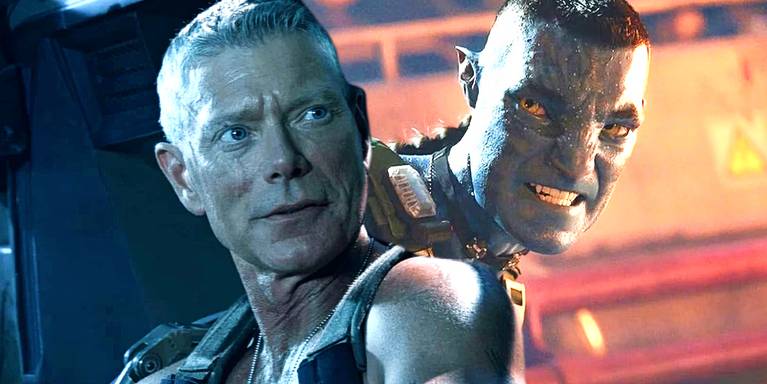
1.) The Stoic Warrior: This portrayal features disciplined, battle-hardened individuals who are emotionally closed off, completely devoted to their mission, and rarely display vulnerability. Characters like Colonel Miles Quaritch in Avatar (2009) exemplify this stereotype, showing military figures as aggressive, unyielding, and lacking compassion. This stereotype overlooks the fact that service members experience a full range of emotions, engage in strong interpersonal relationships, and participate in humanitarian missions outside of combat.
2.) The Damaged Veteran: On the opposite end, media often depicts veterans as individuals who struggle with PTSD, homelessness, addiction, or difficulties in civilian life. While these challenges are real for some, this portrayal is often exaggerated or overly generalized. For example, American Sniper (2014) focuses heavily on Chris Kyle’s combat experiences and post-service struggles, reinforcing the idea that trauma is an inevitable consequence of military service. Although PTSD awareness is crucial, this portrayal overshadows the many veterans who transition successfully into civilian careers, education, and leadership roles.

Missing Perspectives and Biases

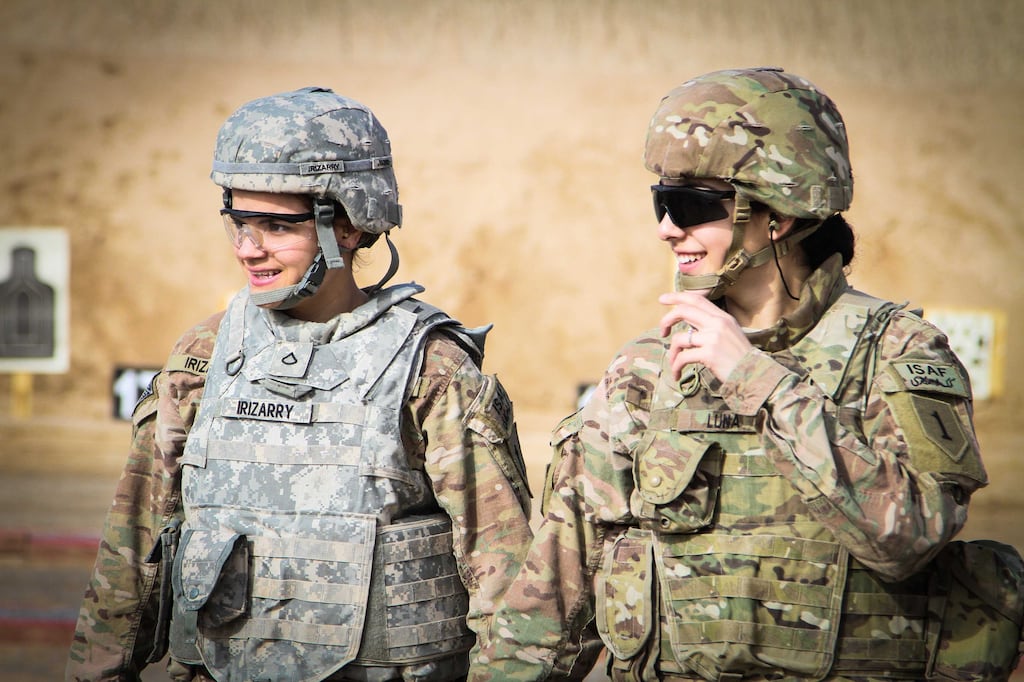
These stereotypes fail to acknowledge the diverse experiences of military personnel and often exclude key perspectives:
- Women in the military are rarely portrayed with nuance, despite their growing presence in combat and leadership roles.
- Non-combat roles (such as intelligence, medical, logistics, and administration) receive little attention, reinforcing the idea that military service is solely about combat.
- Diversity within the military is often overlooked, with portrayals skewing toward a narrow demographic despite service members coming from various racial, cultural, and socioeconomic backgrounds.
In many cases, media representations lack balance by emphasizing either heroism or trauma, leaving out the everyday realities of military life. The friendships, personal growth, and leadership skills developed through service are rarely explored in depth.
Examples in Media and Their Impact
- Example 1: American Sniper (2014)
The film provides a gripping portrayal of combat but reinforces the idea that veterans primarily face hardship upon returning home. While PTSD is a critical issue, the narrative does not highlight the many veterans who adapt and thrive in civilian life.
Watch a scene from American Sniper here. - Example 2: Avatar (2009)
Colonel Quaritch represents the stereotypical military brute—ruthless, emotionally detached, and driven solely by aggression. This portrayal contributes to a simplistic view of military personnel as violent enforcers rather than complex individuals.
Watch a clip of Colonel Quaritch in Avatar here.
These representations shape public perception, influencing how civilians view service members and veterans. The “damaged veteran” stereotype, for instance, can make employers hesitant to hire veterans, assuming they are unstable or unable to function in a civilian workplace. Meanwhile, the “stoic warrior” trope can discourage military personnel from seeking mental health support due to fear of appearing weak.
Harmful or Beneficial?
While some aspects of these portrayals may raise awareness about military life, they can also be harmful. Misrepresentations can lead to stigma, employment discrimination, and unrealistic expectations for service members. However, they can also foster respect for the military, inspire recruitment, and increase awareness of veterans’ issues. The key is ensuring that media portrays military personnel with accuracy and depth, avoiding one-dimensional narratives.
Conclusion
The way the military is represented in media plays a crucial role in shaping public perceptions. While elements of truth exist within common portrayals, they often lack depth and fail to capture the full experience of service members. By advocating for more nuanced and representative storytelling, we can challenge stereotypes and promote a more accurate understanding of military life.
 Alferd Quierrez